
The Resilient Advocacy of Emily Jendrisak – Beyond the Limelight


While her husband is frequently at the center of intense media storms, Emily Jendrisak has quietly carved out a narrative defined by steadfast purpose, cultural preservation, and a deep-rooted commitment to justice. For years, public profiles have viewed her primarily through the lens of her marriage, yet her independent life story reveals a fierce dedication to indigenous rights that operates entirely on its own terms.
As a fervent advocate for Native American communities, her work bridges the gap between traditional heritage and modern activism.
Early Life and Deep-Rooted Heritage
Born in 1974 in the United States to Jerry and Christine Jendrisak, Emily grew up learning the values of independence and perseverance early on. Her profound connection to tribal advocacy is a maternal legacy; her mother, Christine Whiterabbit Jendrisak, was a deeply respected and active figure within the Ho-Chunk Nation—a Siouan-speaking people with ancestral roots stretching across Wisconsin, Iowa, and Minnesota.
Growing up, her childhood was steeped in the oral histories, triumphs, and systemic struggles of her community. She spent her formative years learning about land disputes, treaty violations, and the slow erosion of indigenous culture. Driven by a desire to turn awareness into action, she eventually attended the University of San Francisco, earning a degree in Communications and Journalism to build the skill set necessary for high-impact advocacy.
From Manhattan Publicist to Grassroots Activist
After university, she relocated to New York City, quickly establishing herself in the fast-paced world of corporate public relations. Working as a publicist and consultant in Manhattan, she successfully managed high-profile campaigns for prominent brands and individuals.
Yet, despite her professional achievements, the corporate lifestyle left her with a growing sense of misalignment. Inspired by the grassroots battles her mother fought, she chose to step away from commercial PR, redirecting her communication expertise toward tribal sovereignty, activism, and raising a family.
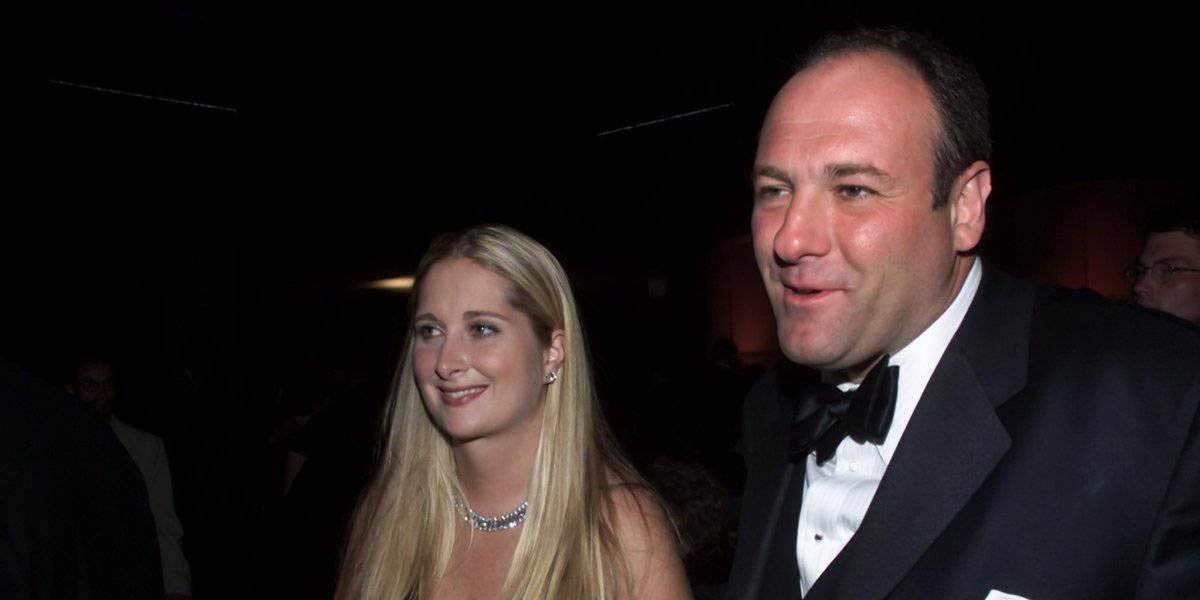
It was during her time in New York’s alternative cultural scene that she met Gavin McInnes, co-founder of Vice Media, at the legendary Max Fish bar. Despite their vastly different public profiles, they shared an affinity for independent thinking. The couple married on September 17, 2005, at Sunset View Farms in Bovina, New York, and have since raised three children.
THE HOMESTEAD DYNAMIC
While her husband courts public controversy as an outspoken media firebrand, Jendrisak intentionally maintains a low profile. She acts as the grounding force, ensuring their home remains a private sanctuary focused on respect, empathy, and open dialogue.
Meeting Gavin McInnes and Balancing Family Life

Emily met Gavin McInnes at the legendary Max Fish bar in Manhattan, a popular gathering spot for artists, writers, and the city’s alternative crowd. Almost instantly, Gavin, who co-founded Vice Media and was notoriously flamboyant in public, clicked with Emily. Despite coming from entirely different backgrounds, they shared a mutual appreciation for independent thought.
They were married on September 17, 2005, at Sunset View Farms, Bovina, New York. Over time, they built a life of family and personal conviction and raised three children.
If Gavin is the outspoken firebrand, ready to stir up controversy, Emily is the quiet, just as effective assassin. It’s this kind of odd couple partnering that makes their dynamic so interesting: Gavin courts the limelight; Emily prefers to keep out of it, for advocating and keeping her family’s privacy to herself. She has intentionally chosen a low-profile lifestyle, ensuring their home remains a sanctuary away from the intense media storms that frequently surround her husband’s public persona.
A Champion for the Ho-Chunk Nation
Her activism gained significant momentum as she stepped up to support the Ho-Chunk Nation’s critical fights for cultural survival and sovereignty. Today, her efforts focus on two vital pillars: language revitalization and youth empowerment.
| Focal Area | The Crisis & Action | Impact |
| Language Preservation | Fewer than 200 fluent Ho-Chunk speakers remain alive today. She works to support immersion and documentation programs. | Helps preserve a critically endangered Siouan language branch from extinction. |
| Youth Initiatives | Indigenous youth face disproportionate funding gaps in cultural education and community resources. | Coordinated a major fundraising drive that raised over $75,000 for native youth programs. |

Alongside her mother, she designs cultural workshops and community events aimed at passing down ancient traditions to the younger generation. Her background in communication allows her to translate complex tribal challenges into powerful awareness campaigns that resonate far outside the indigenous community.
People Also Read: The Legacy of UFC Icon Charles Oliveira, Lori McCommas
A Legacy of Empowerment
On the home front, her children remain her central focus. She is dedicated to teaching them the vital importance of identity, ancestral heritage, and the social responsibility of using one’s voice for good. Within Native American support circles, she is viewed as a living example of quiet, resilient leadership.

Her work serves as a powerful reminder that profound structural change often begins away from the cameras, rooted deeply in family and local community action. By bridging the gap between awareness and tangible support, she continues to secure a vibrant future for the heritage she carries forward.
How to Support Indigenous Causes
If you are inspired by this journey of cultural preservation, consider engaging with organizations dedicated to tribal justice and heritage:
- Support Language Revitalization: Contribute directly to the Ho-Chunk Nation’s language division or broader preservation groups like the Native American Rights Fund (NARF).
- Expand Your Awareness: Stay informed on contemporary tribal issues through platforms like Cultural Survival, Native Hope, or the National Congress of American Indians.
- Amplify Native Voices: Use your personal or professional platforms to share information regarding indigenous land rights, educational funding, and community achievements.
People Also Read: The Philanthropic Efforts of Ryan Shawhughes






1 Comment
[…] Also Read: Who is Emily Jendrisak? Wife of Gavin McInnes […]
Comments are closed.